

A Different Kind of Summer: Bird Survey Work Continues to Grow
For BH Wildlife Consultancy, summer is traditionally a quieter time of year for wildlife surveys. As many large-scale mammal surveys are completed during the colder months, the focus normally shifts towards planning upcoming projects and preparing for the busy autumn and winter survey season. This year, however, has been different.
Over the past few months, we have experienced a significant increase in bird survey work (both terrestrial and drone). Projects took us across a wide variety of habitats and environments - from nesting bird surveys ahead of construction operations to gull management at an international airport and coastal seabird surveys.
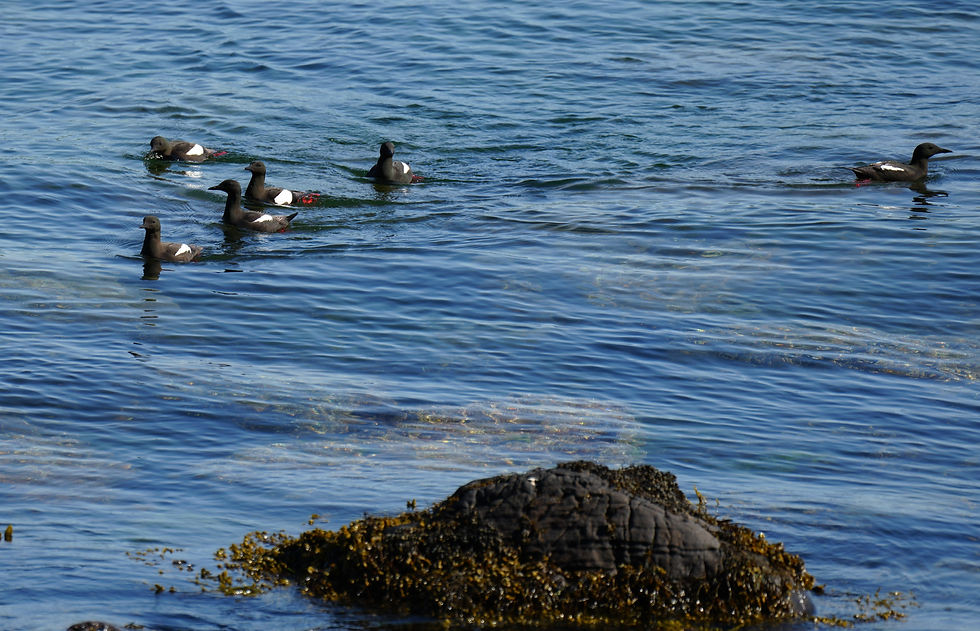
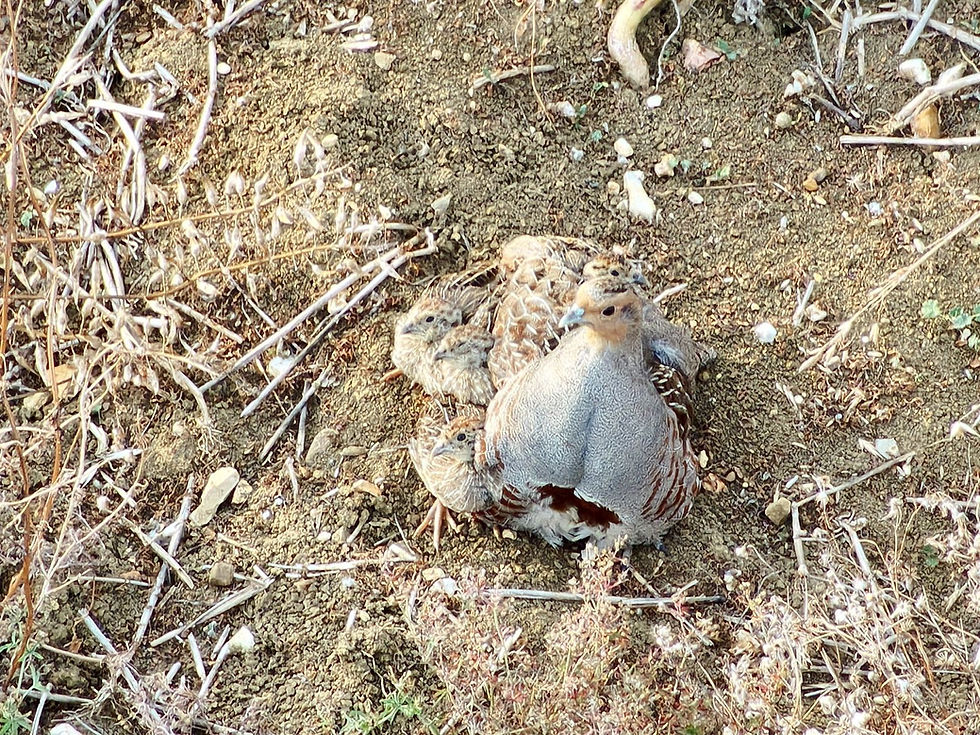
A large proportion of our work has involved nesting bird surveys before site works begin. Whether the project involves development, forestry, utilities or habitat management, these surveys are an essential part of ensuring works comply with wildlife legislation while protecting breeding birds. By identifying active nests early, clients can plan works responsibly and minimise disturbance to wildlife.
One of the added benefits of doing these surveys is it often identifies other species using a site. During a number of our pre-construction bird surveys this summer, fawns were also located hidden within long vegetation. Discovering these animals before works commence allows appropriate measures to be put in place, demonstrating how a single survey can provide wider benefits beyond its original objective.

Alongside these projects, our team has been carrying out specialist gull surveys around an international airport, helping to understand bird activity and support evidence-based bird hazard management.
Drone technology has become an increasingly valuable tool for these surveys. It enables our team to safely inspect rooftops, large industrial structures and other difficult-to-access areas without the need for working at height or causing unnecessary disturbance. The ability to gather high-quality imagery quickly also allows sites to be assessed efficiently while maintaining a strong focus on wildlife welfare.

Perhaps the most encouraging trend this summer has been the growing number of organisations recognising the benefits of drone technology for conservation rather than simply as a surveying tool. More developers, land managers, infrastructure companies and public bodies are actively seeking ways to reduce disturbance to wildlife, improve survey accuracy and make better-informed environmental decisions.
At BH Wildlife Consultancy, we believe technology should complement ecological expertise, not replace it. By combining experienced ecologists with the latest drone technology, we can collect high-quality data while putting wildlife welfare at the centre of every project.
If this summer is anything to go by, the role of drones in ecological surveying will only continue to grow. It is fantastic to see more organisations embracing drone technology to support conservation, protect wildlife and make more informed environmental decisions. We look forward to continuing to work with clients who share our commitment to safeguarding wildlife while delivering projects responsibly.


Comments